Key Takeaways
- A business equipment loan Australia allows you to buy or upgrade machinery without draining cash reserves, while spreading costs over time.
- You can buy new or used equipment with the right loans through the right lender. Some lenders are willing to fund much older equipment.
- Equipment loans suit many industries including construction, medical, manufacturing, transport, and hospitality services.
- Interest rates for equipment loans in Australia typically range from 5% to 15%, but can vary based on credit profile, asset age, and lender policy.
- Different finance options exist, such as chattel mortgages and equipment lines of credit, but leasing options are also available.
- Equipment finance can offer tax benefits for Australian businesses, including depreciation and interest deductibility.
- There are loans available from $10,000 up to millions.
- For loans up to $150,000, there are options without income verification.
- For loans between $150,000 and $500,000, lenders will want to see a read only view of the business’s bank statements.
- For larger loans around $500,000 and above, lenders will look for full financials.
- Choosing the right equipment loan provider Australia depends on flexibility, speed, repayment terms, and total cost.
Buying equipment is part of running a business. Machinery breaks, technology becomes outdated, and capacity needs to grow. Paying the full cost upfront can slow everything else down. A business equipment loan Australia gives you a way to access what you need now, while keeping working capital available for wages, stock, and day to day expenses.
This equipment loan guide is written for Australian business owners who want clear answers. It covers how equipment loans work, the types available, interest rates, tax considerations, and what lenders usually look for. It also explains how to choose the best equipment finance option for your situation, whether you are buying one machine or fitting out an entire operation.
An overview for business equipment loan
A business equipment loan Australia is used to purchase physical business assets. The equipment itself is usually used as security for the loan. This reduces lender risk and often results in better pricing than unsecured borrowing.
Equipment finance can be used for new or used assets. It is available both to start ups and established businesses.
Common uses include
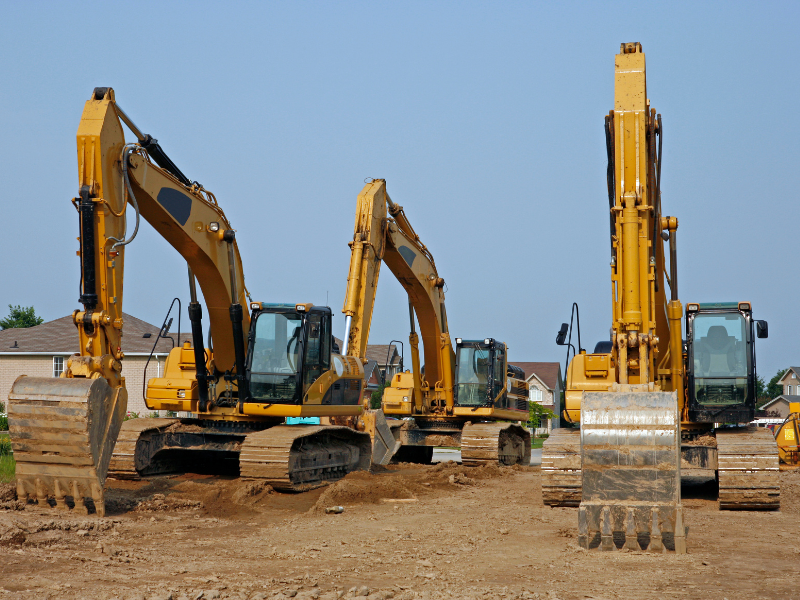
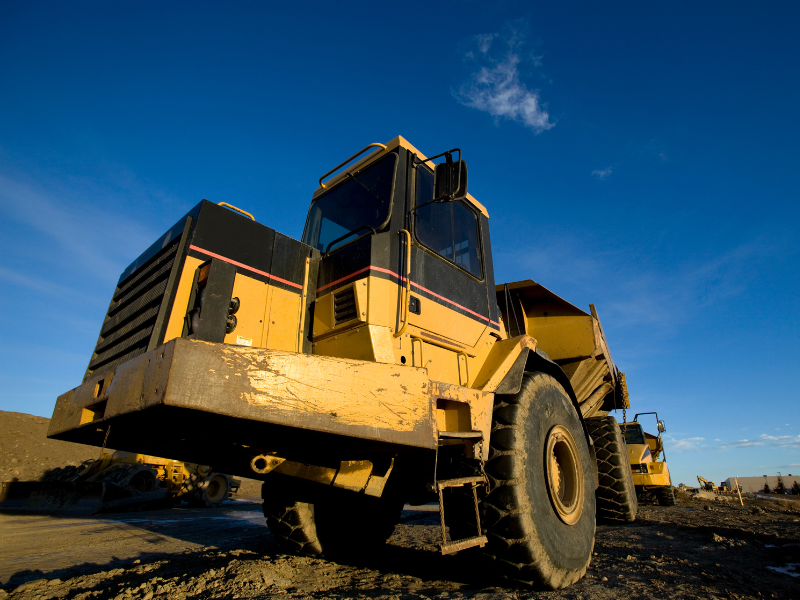
- Construction and earthmoving machinery
- Manufacturing and industrial equipment
- Medical and dental equipment
- Vehicles and transport fleets
- Hospitality and commercial kitchen equipment
- Technology and office equipment
- Agricultural machinery
Equipment finance is designed to match the working life of the asset. Repayment terms usually range from two to five years (sometimes up to seven), depending on the equipment type and age and the lender’s policy.
Types of equipment loan
Here are the types of equipment loan available to businesses in Australia
1. Chattel mortgage
A chattel mortgage is one of the most common equipment finance options in Australia. The lender provides funds to purchase the asset, and the asset is used as security. Ownership transfers to the business immediately.
This option suits businesses that want ownership from the start and plan to keep the equipment long term. It also allows you to claim tax benefits like depreciation and interest costs.
2. Equipment lines of credit
An equipment line of credit provides pre approved funding that can be used to purchase multiple assets over time. Each drawdown relates to a specific item of equipment.
This option suits businesses that regularly add or replace assets, such as transport, construction, and manufacturing operators.
3. Leasing Options
Finance lease
With a finance lease, the lender owns the equipment and leases it to your business for an agreed term. You make regular payments for the use of the asset.
At the end of the lease, you usually have options to purchase the equipment for a residual amount, upgrade to new equipment, or return it. This structure suits businesses that upgrade equipment regularly or want flexibility.
Hire purchase
Hire purchase allows your business to use the equipment while making regular repayments. Ownership transfers at the end of the agreement, once all payments are made.
This option can suit businesses that want a clear path to ownership but prefer staged payments.
Operating lease
An operating lease is a rental style agreement. You pay to use the equipment for a fixed period, then return it at the end. Ownership does not transfer. This option suits short term projects or equipment with rapid obsolescence.
Rent to own
Rent to own is a flexible equipment finance option that allows your business to rent equipment with a clear pathway to ownership.
You make regular rental payments to use the equipment. At the end of the term, ownership transfers to your business once the agreed buyout amount is paid.
Interest rates for equipment loans Australia
Interest rates for equipment loans Australia typically range from 5% to 15% but can vary based on risk and structure and other factors.
Pricing is influenced by
- Credit profile of the business and directors
- Time in business
- Asset type and age
- Loan amount and term
- Documentation provided
- Lender policy
A mortgage broker like Dark Horse Financial can help you access the best rates for your equipment loan. Send us a message to learn more.
Tax benefits of equipment loans in Australia
Equipment finance can offer tax advantages. Common considerations include
- Interest deductibility. Interest charged on equipment loans is generally tax deductible when the equipment is used for business purposes. This can reduce taxable income over the life of the loan.
- Depreciation claims. When your business owns the equipment, you may be able to depreciate the asset over its effective life. This spreads the cost of the equipment across multiple financial years.
- Instant asset write off eligibility. In some cases, eligible businesses may be able to claim an immediate deduction for the business portion of qualifying equipment purchases.
- GST treatment. For certain structures, GST may be claimed through your BAS upfront, which can help with short term cash flow management.
Tax rules change and outcomes differ between businesses. Always confirm the correct treatment with your accountant before committing to a structure.
Business equipment loan requirements
Business equipment loan requirements in Australia are largely driven by loan size. As the amount increases, lenders require more information to confirm the business can comfortably service the debt.
Loans up to $250,000
For equipment loans up to $250,000, there are options available without income verification. Because the equipment itself is used as security, lenders are often comfortable approving smaller amounts with minimal documentation, provided the credit profile and asset type align.
Loans between $150,000 and $500,000
For loans in this range, lenders will usually request a read only view of the business’s bank statements. This allows them to assess liquidity and recent cash flow behaviour.
At this level, lenders are focused on
- Consistent trading activity
- Ability to meet repayments from operating cash flow
- Existing commitments and how they interact with the new loan
Full financial statements are not required, but transparency around cash flow becomes more important as loan size increases. Credit score also matters.
Loans of $500,000 and above
For larger equipment loans amounting to $500,000 and above, lenders will typically ask for full documentation. This is to clearly demonstrate the business’s capacity to service the loan over the agreed term.
Lenders will typically review between three months and two years of financial information, depending on the size of the loan, the lender, and the risk profile.
Documents lenders most commonly review include
- Business financials (profit and loss statements and balance sheets)
- Business bank statements
- Tax portals and any existing ATO payment plans
- Asset register
- Commitment schedule outlining current loans and liabilities
- Asset and liability statement
At this level, lenders assess not just current cash flow, but overall balance sheet strength and debt position. Providing clean, organised information upfront can materially improve approval speed and loan terms.
How to get the best equipment finance options for small businesses
The best equipment finance option depends on your priorities.
Consider the following:
- Whether you want ownership now or later
- Whether you want ownership at all
- How long you plan to keep the equipment
- Your business’s cash flow tolerance
- Your business’s growth plans
These factors will help you decide on the right type of equipment financing. To find the best products and lenders, seek help from finance experts like Dark Horse Financial.
Finding the best equipment loan provider Australia
Finding the best equipment loan provider Australia is all about choosing the right lender for your situation.
Equipment finance policies vary widely. Some lenders prioritise speed. Others focus on pricing, asset age, or long term flexibility. The best outcome usually comes from matching your business profile and equipment type to a lender whose policy actually fits.
This is where working with a broker like Dark Horse Financial matters. A broker compares multiple lenders, understands shifting credit policies, and structures the loan based on how your business operates, not just what looks good on paper.
Good lender selection can affect approval speed, interest rate, documentation requirements, and your ability to upgrade or refinance later. Using a specialist finance broker gives you access to a wider lender panel and helps ensure the equipment loan supports your business, rather than restricting it.
How to apply for a business equipment loan
Step 1 Apply Quickly Online
Complete our online form to get started. A call follows to understand your business and equipment needs.
Step 2 Application submission
Once a lender and product are agreed on, the application is submitted. Many equipment loans are approved quickly.
Step 3 Receive funding
Review the terms and sign the agreement. Funds are released or paid directly to the supplier.
Final thoughts
A business equipment loan can be a strategic tool that lets you grow, upgrade, or stabilise operations without tying up cash that is better used elsewhere.
When structured properly, equipment finance aligns repayments with the income the asset helps generate. This keeps cash flow predictable and reduces pressure during quieter trading periods. It also allows businesses to replace or upgrade equipment at the right time, rather than delaying decisions and absorbing higher repair costs or inefficiencies.
The most important part is matching the loan to how your business actually operates. For Australian business owners, equipment loans remain one of the most accessible and flexible funding options available when used with clear intent and the right guidance.
Disclaimer: Loans and their accompanying benefits are available only to those who qualify for them and have been approved. Though we put a lot of care into writing this article, the information presented within is general and doesn’t consider your unique situation. It is not meant to serve as a substitute for professional advice, and you should not rely on it solely for any major financial decisions. You should always consult with a professional when you’re dealing with finance, tax, and accounting matters.
Speak with an equipment finance specialist.
If you are considering a business equipment loan Australia, tailored advice helps ensure the structure fits how your business operates.