Key Takeaways
- Heavy equipment loans are specialised financing options designed to help businesses purchase or lease expensive machinery, such as excavators, tractors, or cranes.
- Heavy equipment loans are ideal for industries where machinery is essential for operations.
- These loans are usually secured against the equipment, offering lower interest rates.
- Heavy equipment financing in Australia helps businesses preserve cash flow by spreading the cost of machinery over time. It also allows businesses to access the latest technology, improving efficiency and staying competitive.
- Tax benefits, such as deductible interest payments and depreciation claims, make heavy equipment loans financially attractive for Australian businesses.
- Common types of heavy equipment financing include chattel mortgages, finance leases, hire purchases, operating leases, and rent to own options.
- To apply for heavy equipment loans in Australia, assess your needs, check your credit score, gather documentation, and seek help from lending experts. Working with a broker can help you access financing options tailored to your business.
In construction, mining, agriculture, and other industries that rely on heavy machinery, having the right equipment is the key to success. Accessing heavy equipment means putting out a lot of cash, something many businesses can’t or don’t wish to do. That’s why heavy equipment loans are invaluable to businesses all over Australia. With financing, businesses can access the equipment they need to succeed without disrupting their cash flow or dipping into their reserves. This article will go through the specifics of heavy equipment loans, how you can apply for them, their advantages, and why they might be the right choice for your business.
What Are Heavy Equipment Loans?
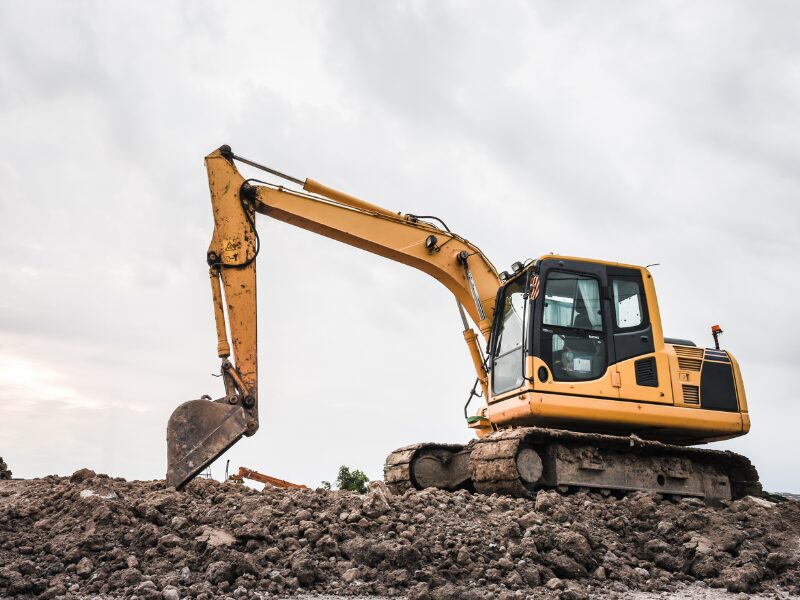
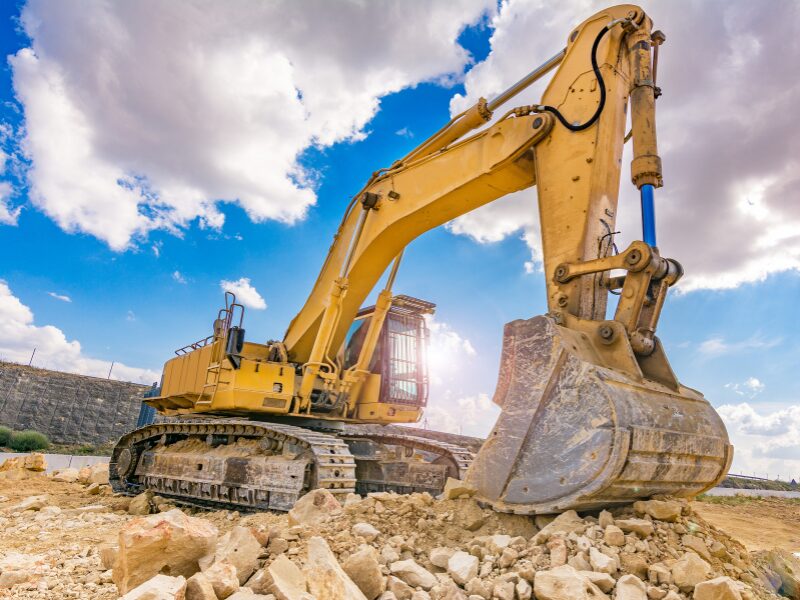
Heavy equipment loans are specialised equipment finance loans designed to help businesses purchase or lease heavy machinery. These loans are tailored to meet the unique needs of industries that require expensive equipment, such as excavators, bulldozers, tractors, cranes, and more. Heavy equipment loans are often secured against the equipment itself. In Australia, heavy equipment financing is a popular choice for businesses looking to acquire machinery without depleting their cash reserves.
How Heavy Equipment Financing Works for Businesses
Businesses in Australia have different choices for how they can acquire the right heavy equipment. Businesses can get loans or lines of credit to purchase heavy machinery and spread the cost over time. They can also lease the equipment if they prefer not to own. The choice boils down to the business’s goals and preferences. Some may want the assurance of owning equipment, while some would prefer to frequently upgrade and not tie themselves to financing.
Why Consider Heavy Equipment Financing in Australia?
1. Preserve Working Capital
One of the biggest advantages of heavy equipment financing is that it allows businesses to preserve their working capital. Instead of paying a large upfront cost for machinery, you can spread the cost over time through manageable monthly repayments. This ensures that your business maintains cash it needs for other operational expenses, such as payroll, inventory, or marketing.
2. Access to the Latest Technology
The heavy equipment industry is constantly evolving, with new technologies improving efficiency, safety, and productivity. By opting for heavy equipment financing, businesses can stay competitive by accessing the latest machinery without the need for significant upfront investment.
3. Tax Benefits
In Australia, heavy equipment loans may offer tax advantages. The interest paid on the loan and the depreciation of the equipment can often be claimed as tax deductions, reducing your overall tax liability. It’s always a good idea to consult with a tax professional to understand how these benefits apply to your specific situation.
4. Flexible Repayment Options
Heavy equipment loans typically come with flexible repayment terms, allowing businesses to choose a schedule that aligns with their cash flow. This can be beneficial for industries like agriculture that experience fluctuating income throughout the year.
Types of Heavy Equipment Financing in Australia
When it comes to heavy equipment financing in Australia, there are several options available. Understanding the different types can help you choose the one that best suits your business needs. Here are heavy machinery finance options for construction companies:
1. Chattel Mortgage
A chattel mortgage is one of the most common forms of heavy equipment financing in Australia. Under this arrangement, the lender provides funds to purchase the equipment, and the equipment itself serves as security for the loan. The business takes ownership of the equipment at the time of purchase. Chattel mortgages offer potential tax benefits, including depreciation and deductible interest payments.
2. Equipment Lines of Credit
Businesses can have access to equipment lines, allowing them to purchase any business asset with a VIN or serial number. Many non bank lenders offer no and low doc applications, with some equipment lines of credit also allowing businesses to use it for other expenses, such as commercial fitouts.
3. Finance Lease
A finance lease is another popular option for heavy equipment financing. In this arrangement, the lender owns the equipment and leases it to the business for an agreed-upon term. At the end of the lease, the business can choose to purchase the equipment at a residual value, return it, or upgrade to newer machinery. Finance leases are ideal for businesses that prefer the flexibility to upgrade equipment regularly.
4. Hire Purchase
A hire purchase agreement allows businesses to use the equipment while making regular payments. The business hires the equipment from the lender. Once all payments are completed, ownership of the equipment transfers to the business.
5. Operating Lease
An operating lease is a short-term leasing option where the business rents the equipment for a specific period. This is ideal for businesses that need equipment for a temporary project or prefer not to commit to long-term ownership. At the end of the lease, the equipment is returned to the lender.
6. Rent to Own
Rent to own is a flexible heavy equipment financing option where businesses rent machinery with the ability to buy out the equipment at the end of the rental term. This arrangement allows businesses to use the equipment immediately while making regular payments, with a portion contributing toward the purchase price.
How Do Heavy Equipment Loans Work?
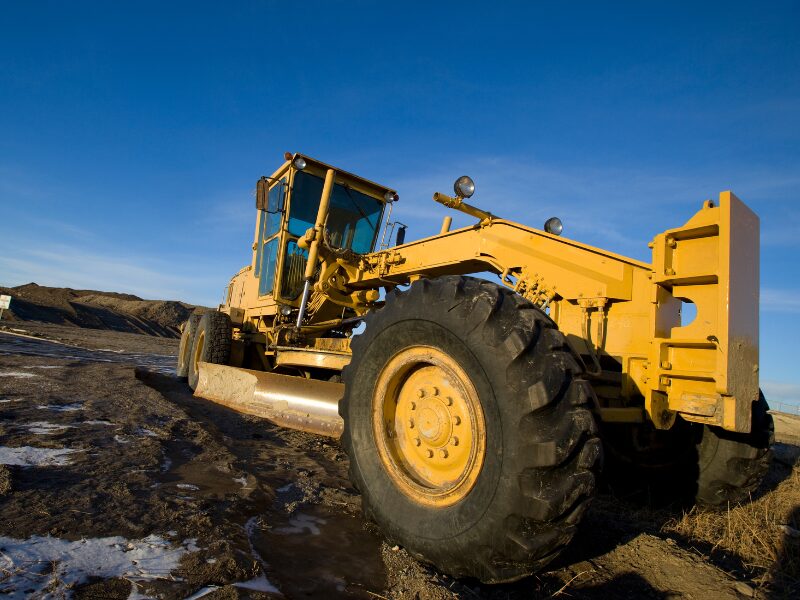
Heavy equipment loans work by allowing a business to purchase machinery and repay the cost over time rather than paying the full amount upfront. These loans are designed for assets like excavators, bulldozers, loaders, graders, and other high-value machinery essential to industries like construction, mining, transport, and agriculture.
When a business takes out a heavy equipment loan, the lender provides funds to purchase the equipment. The equipment itself usually acts as security for the loan.
Heavy equipment loans are useful because they preserve cash flow, provide tax benefits (such as interest and depreciation deductions), and let businesses scale operations without large upfront costs.
Which Types of Loans Are Used to Finance Heavy Machinery?
When it comes to financing heavy machinery, Australian businesses most often use two main structures: a chattel mortgage or an equipment line of credit. Each option suits different needs depending on whether the business wants to own equipment outright or maintain flexibility to finance multiple purchases over time.
1. Chattel Mortgage
A chattel mortgage is the most common structure for heavy equipment loans in Australia. Under this arrangement, the business takes ownership of the equipment at the time of purchase, while the lender registers a mortgage over it as security for the loan.
How it works:
- The lender advances the funds to pay the supplier.
- The business owns the asset immediately and makes regular repayments over a fixed term.
- The loan is secured by the equipment itself.
Advantages:
- Full ownership from day one.
- Interest and depreciation are usually tax-deductible.
- Flexible loan terms, often up to seven years.
- Balloon payments can reduce monthly instalments to assist cash flow.
Best suited for:
Businesses that plan to keep equipment long-term, want full ownership, and prefer predictable fixed repayments.
2. Equipment Line of Credit
An equipment line of credit provides a revolving funding limit that can be drawn on whenever the business needs to purchase or upgrade machinery.
How it works:
- The lender approves a set credit limit based on the business’s financial position and equipment needs.
- The business can draw funds as needed to buy new or used machinery, attachments, or vehicles.
- Interest is charged only on the amount drawn, not the entire limit.
- As repayments are made, the limit becomes available again for future purchases.
Advantages:
- Flexibility to fund multiple equipment purchases without reapplying for finance each time.
- Useful for businesses that regularly buy, sell, or upgrade equipment.
- Helps smooth cash flow, especially for project-based industries.
- Can fund deposits, upgrades, and even repairs.
Best suited for:
Businesses with ongoing equipment requirements (such as construction or transport companies) that need a ready source of capital for machinery purchases.
What Are Eligibility Criteria for Heavy Equipment Financing?
When applying for heavy equipment finance in Australia, lenders look at several key factors to determine if your business qualifies and what loan options are available.
Below is a breakdown of the main eligibility requirements for heavy equipment loans.
1. Business Age
Both startups and established companies can access heavy machinery finance, but the range of available options depends on how long you’ve been trading.
- Startups can qualify for heavy machinery loans if they have proof of income.
- Established businesses with more than 12 months of trading history generally have more options than startups and can fund 100% of asset costs.
2. Credit Score
Your credit score is one of the most important factors lenders assess when reviewing a heavy equipment finance application. In Australia, scores above 500 are considered good, and those above 450 often qualify for competitive equipment loan rates.
A strong credit history shows that your business can manage debt responsibly. However, even if you have a low score, bad credit equipment finance options are available through specialist lenders who focus more on your cash flow and asset value than your credit rating.
3. Loan Amount
The application process varies depending on the loan amount:
- Up to $500,000 – Many lenders offer low-doc or no-income-verification loans, where approval can be based primarily on your ABN, GST registration, and time in business.
- Above $500,000 – Depending on your choice of lender you’ll need to provide either a read only view of business bank account statements for assessment or full financial documentation to demonstrate your capacity to service the loan.
4. Financial Documents (For Full-Doc Loans)
For larger loans over $500,000, lenders conduct a more detailed assessment and require a set of financials, aged payables and receivables and tax portals to verify your business’s strength and stability. Common requirements include:
- Financials (Profit and Loss, Balance Sheet)
- Bank statements (usually the last 6 months)
- Tax portal records including details of any ATO payment plans
- Asset register and commitment schedule (existing loans or leases)
- Asset and liability statement outlining your financial position
Having these documents ready can speed up approval and help you secure better loan terms.
5. Equipment Details
The equipment you plan to finance also affects your eligibility. Lenders assess:
- Type of equipment (construction, agricultural, mining, transport, etc.)
- Age and condition of the machinery
- Resale or market value
Some lenders prefer newer, high-value equipment with good resale potential, while others are flexible and will finance older machinery without age restrictions.
Ultimately, the right lender depends on your needs, whether you’re purchasing new excavators, upgrading your fleet, or refinancing existing machinery. Working with an equipment finance specialist like Dark Horse Financial helps match your business with the lender that best fits your asset type and financial profile.
How to Apply for Heavy Equipment Loans in Australia
Applying for heavy equipment loans in Australia is a straightforward process.
Reach out to us through our online form to get started. We’ll help you every step of the loan process, from choosing the right lender to securing the best rates. Here’s what we can do for you:
- Compare lenders and match you with one that can meet your needs
- Secure the best interest rates available for your specific situation
- Customise loan terms to suit your cash flow
- Provide continuing services even after loan settlement
The approval process can be as fast as a few hours, depending on the lender and the complexity of your application. Once approved, you’ll receive a loan agreement outlining the terms and conditions. After signing the loan agreement, the lender will disburse the funds, allowing you to purchase the equipment.
Tips for Securing Heavy Equipment Financing in Australia
- Choose the Right Equipment for Your Needs: Opt for machinery that offers the best return on investment (ROI). Consider factors such as durability, efficiency, and resale value.
- Negotiate with Suppliers: Before applying for a loan, negotiate with equipment suppliers to get the best possible price. This can reduce the amount you need to borrow and lower your repayments.
- Plan for Maintenance Costs: Heavy equipment requires regular maintenance to remain operational. Factor these costs into your budget to avoid financial strain.
- Seek Professional Advice: Consult with a loan broker with expertise in heavy equipment financing to ensure you’re making the best decision for your business.
Final Insights
Heavy equipment loans are invaluable to businesses looking to invest in machinery without compromising their cash flow. Whether you’re in construction, mining, agriculture, or another industry, heavy equipment financing in Australia can help you stay competitive and grow your operations.
Get Financing for Heavy Equipment Today
We’re experts in helping Australian businesses secure heavy equipment financing. Equip your business with the right machinery, old or new, and bring your business to success. Contact us today to learn more about how we can help.