

A chattel mortgage is one of the most commonly used ways Australian businesses finance vehicles, equipment and machinery, and it is worth understanding properly before you sign, because the structure decides who owns the asset, how the lender protects its position and how the GST and tax side of the purchase is likely to be treated. This article explains how a chattel mortgage works, how the lender’s security is registered, how it compares with a finance lease or hire purchase and the general tax shape of the arrangement.
For businesses that already own equipment outright, refinancing that asset can also release cash flow, and some owners choose to direct that freed-up cash toward other pressures on the business, including an outstanding ATO debt.
Key Takeaways
- A chattel mortgage is a secured business loan used to buy a movable asset such as a vehicle, equipment or machinery.
- The business owns the asset from settlement, not the lender.
- The lender secures its interest by registering it on the Personal Property Securities Register (PPSR).
- Once the loan is repaid in full, the lender discharges the PPSR registration.
- A GST-registered business may be able to claim the GST in the purchase price upfront, subject to ATO rules and the car limit for passenger vehicles.
- Whether a chattel mortgage, finance lease or hire purchase suits your business depends on your ownership needs, cash flow and tax position.
What Is a Chattel Mortgage and How Does It Work?
A chattel mortgage is a secured loan that lets a business buy a movable asset and own it from day one, while the lender holds a registered security interest over that asset until the loan is repaid.
The word “chattel” simply refers to movable personal property, as distinct from land or buildings. In practice, that covers business vehicles, trucks, trailers, plant, equipment and machinery. The lender advances the funds, the business takes ownership of the asset at settlement, and the business then repays the loan in regular instalments over an agreed term.
Rather than holding the title, the lender protects its position by registering a security interest against the asset on the Personal Property Securities Register, the national online register administered by the Australian Financial Security Authority. That registration is publicly searchable, which means a buyer or another financier can see that the asset is already subject to a security interest.
If the business defaults on the loan, the lender can enforce its registered interest and recover the asset in line with the loan contract. Once the loan has been repaid in full, the lender discharges the PPSR registration and the business holds the asset free of that security interest.
This structure is typically used by businesses that want immediate ownership of an income-producing asset on their own books.
How Does a Chattel Mortgage Differ From a Finance Lease or Hire Purchase?
The core difference between a chattel mortgage, a finance lease and a hire purchase is when ownership passes to the business. Under a chattel mortgage the business owns the asset from settlement. Under a finance lease the financier retains ownership through the term and the business uses the asset under the lease agreement. Under a hire purchase the financier holds title until the final instalment is paid, at which point ownership transfers to the business.
Each structure also carries different accounting and cash-flow characteristics, including how the repayments and the asset itself are typically recorded on the business’s books, and that treatment is something your accountant is best placed to confirm for your circumstances. Which option suits a given business depends on whether on-paper ownership matters straight away, how the business prefers to manage its cash flow and its own tax position, so there is no single answer that fits every business.
| Feature | Chattel Mortgage | Finance Lease | Hire Purchase |
|---|---|---|---|
| Who owns the asset during the term | The business, from settlement | The financier | The financier, until the final instalment |
| How the lender’s interest is secured | Security interest registered on the PPSR | Financier’s ownership of the asset, generally also registered on the PPSR | Financier’s title to the asset, generally also registered on the PPSR |
| When the business appears as registered owner (e.g. vehicle registration) | From settlement | Generally not during the term | Generally once the final instalment is paid |
| Common use case | Businesses wanting ownership and possible depreciation from day one | Businesses preferring to use the asset without owning it during the term | Businesses wanting to own the asset once it is fully paid off |
Sources: Xero AU, money.com.au
What Are the GST and Tax Implications of a Chattel Mortgage?
Because the business buys the asset outright at settlement, a GST-registered business may be able to claim the GST included in the purchase price as an input tax credit, generally upfront on the relevant Business Activity Statement, as outlined in the general position described by Xero AU. This is subject to the normal GST input tax credit rules, including the extent to which the asset is used for business purposes.
For passenger vehicles there is also a cap. The ATO’s car limit for the 2026-27 income year is $69,883, which means the maximum GST credit that can be claimed on a car is $6,353, and the limit is updated each income year so it should be checked at ato.gov.au before any purchase is made.
As the owner of the asset, the business may also be able to claim depreciation over its effective life, or under the simplified depreciation rules if it is an eligible small business, although eligibility and treatment depend on the business’s circumstances. Interest on the loan is generally deductible as a business expense, again subject to the business’s own position.
Please note this is general information only and is not tax or accounting advice. Confirm your specific GST and depreciation position with your accountant or a registered tax agent before acting.
What Is a Chattel Mortgage Commonly Used For, and How Does It Connect to Cash Flow and ATO Debt?
A chattel mortgage is commonly used to finance:
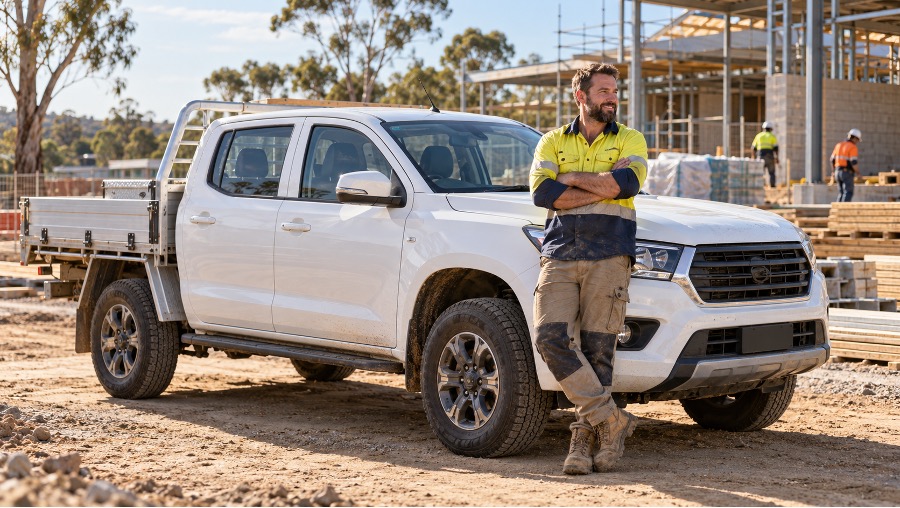
- business vehicles, utes and vans
- trucks, trailers and commercial fleet
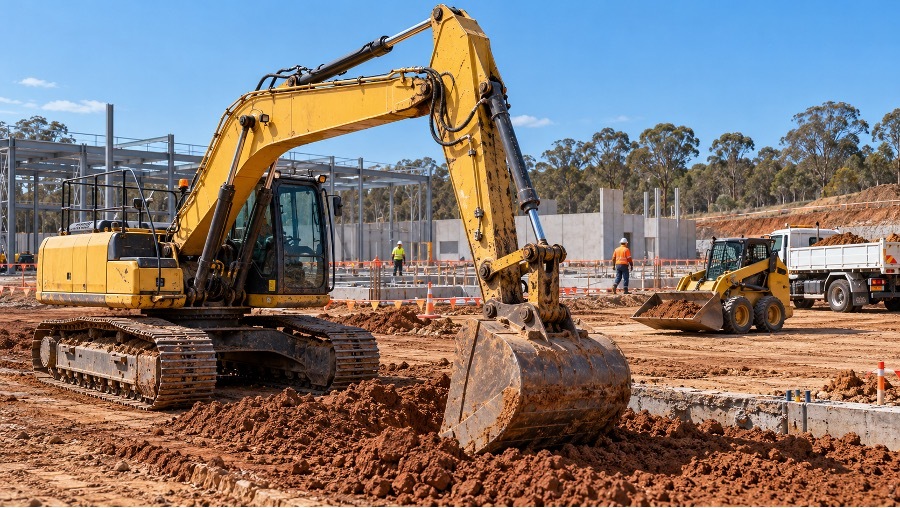
- yellow goods and construction equipment
- manufacturing and trade machinery
It sits within the broader category of equipment finance, and the same principles apply whether the business is buying a single work vehicle or adding several machines to a fleet.
There is also a cash-flow side to consider, since financing a new asset rather than paying cash keeps working capital in the business, and refinancing an asset that is already owned outright can release funds that the business then has available for other pressures, including an outstanding ATO debt or an ATO payment plan. A chattel mortgage is not a tax-debt solution in itself. However, if ATO debt is part of what’s driving a cash-flow decision, tax debt loans may be a way through.
Conclusion
With a chattel mortgage the asset belongs to the business from settlement, and the lender’s protection sits on the PPSR rather than on the title, with that registration removed once the last repayment has been made. Any GST credit or depreciation claim that comes with the purchase will turn on the business’s own position, which is why it is worth having your accountant look over the numbers before the deal is signed.
Dark Horse Financial helps businesses compare chattel mortgage, finance lease and hire purchase options and match their circumstances to the lender with the right policy fit from a large panel of lenders, so the structure and terms suit how the business actually operates. If you are weighing up your options for a vehicle or piece of equipment, speak with the team.
Frequently Asked Questions
The business owns the asset under a chattel mortgage from the day of settlement. The lender does not hold legal title. Instead, it registers a security interest over the asset on the Personal Property Securities Register, which gives it the right to recover the asset if the loan is not repaid. Once the loan is paid in full, that registration is discharged.
The PPSR is the Personal Property Securities Register, the national online register run by the Australian Financial Security Authority where lenders record their security interests in financed assets. For a chattel mortgage, it is how the lender protects its position without holding the title, and the registration is discharged once the loan has been repaid in full.
There is no universal answer, because the right structure depends on the business. Key factors include whether immediate on-paper ownership matters, how the business prefers to manage its cash flow and its own tax position. A chattel mortgage gives ownership from settlement, while a lease or hire purchase may suit businesses with different priorities. Your accountant can help confirm the tax side.
A GST-registered business may generally be able to claim the GST included in the purchase price as an input tax credit upfront on its BAS. This is subject to normal ATO rules, including the business-use proportion and, for passenger vehicles, the car limit that applies in the relevant income year. Confirm the specifics with your accountant or a registered tax agent.
A chattel mortgage can be used to buy most movable assets used for business or income-producing purposes. Common examples include business vehicles, utes and vans, trucks and trailers, construction and earthmoving equipment, and manufacturing or trade machinery. The asset generally needs to be used mainly for business purposes for a chattel mortgage to be the appropriate structure.
Sources and Methodology
This article was prepared by Dark Horse Financial using the following publicly available sources. Tax figures were checked against the ATO’s published thresholds for the 2026-27 income year.
- Xero AU, Chattel mortgage: What it is and how it works for business assets
- com.au, Chattel Mortgage vs Lease vs Hire Purchase
- Australian Financial Security Authority, Personal Property Securities Register (ppsr.gov.au)
- Australian Taxation Office, Car thresholds from 1 July (ato.gov.au)
Disclaimer
This article is general information only and is not tax, accounting or financial advice. It does not take into account your business’s objectives, financial situation or needs. Speak with your accountant or a registered tax agent to confirm your specific GST and depreciation treatment before acting. Dark Horse Financial Pty Ltd is a Credit Representative No. 465 325 of Buyers Choice Licencing Pty Ltd.