
Key Takeaways
- Many lenders in Australia, particularly banks, will look at your credit score, financials, debt ratios, time in business, and more when assessing your loan eligibility.
- Not all lenders will have the same eligibility criteria — if you don’t meet the requirements of one lender, you can still get a business loan from another.
- To increase your chances of approval, you can work towards paying off current debts, improving your credit score and engage the help of loan experts like Dark Horse Financial.
Access to capital is absolutely essential for small businesses — so many small enterprises struggle with daily cash flow challenges. Others may do well, but not enough to expand or invest in their business in the way they would like. Securing a business loan can be a pivotal step for business owners to achieve the working capital requirements they need and reach their goals.
If you’re looking for a business loan, explore this comprehensive guide on how to qualify for one and what to do if you don’t meet the usual criteria.
Understanding Business Loans in Australia
For a lot of small businesses, financing is the key to survival and growth. Loans to SMEs account for more than half of all outstanding business loans in Australia, which shows just how important financing is for small business owners all over the country.
There are many types of business loans for different purposes. In its essence, a business loan is when a lender provides funding, and the business has the responsibility to pay off the amount in instalments plus interest over time.
Here are some of the most common loan types Australian businesses apply for:
- Secured and Unsecured Term Loans: These loans provide a lump sum to the borrower and have to be paid off in instalments with interest over time. They can be secured with an asset or property, or they can be unsecured.
- Lines of Credit: Lines of credit allow borrowing up to a set limit. The borrower only pays interest on the amount used. These are ideal for managing cash flow or unexpected expenses.
- Equipment Finance: These loans are specifically for purchasing business equipment, with the equipment serving as security.
- Invoice Financing: This type of loan allows you to borrow against the value of your unpaid invoices. They can help you manage cash flow if your business has long payment cycles.
- Trade and Import Finance: This type of financing allows you to pay for material supplies and the importation of goods while giving your business up to 210 days to pay it off.
What Do Lenders Look At?
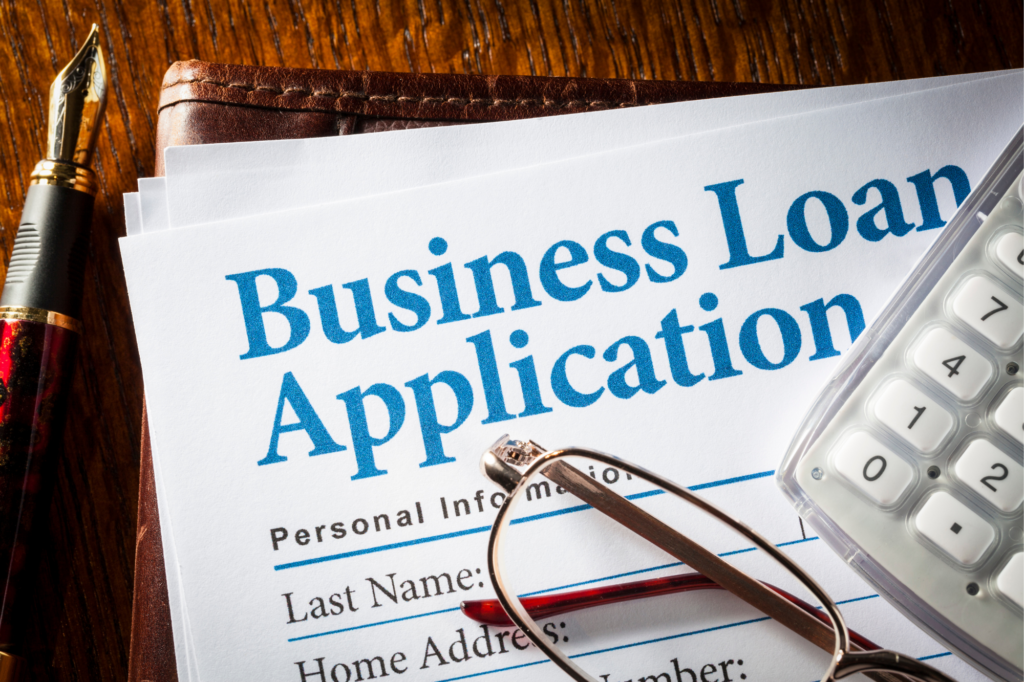
What do you need to get a business loan? When assessing your application for a business loan, lenders typically consider a few factors, though it’s important to note that not all lenders will have strict requirements, especially non-bank or private lenders. Here are some of the most basic factors and requirements for a business loan:
Your Credit Score
Some lenders, especially banks, consider credit scores and histories as primary criteria for business loan approval. A high credit score indicates a lower risk for the lender since it shows that you have a history of repaying debts regularly and on time.
Your Capacity to Pay the Loan
The most important factor for lenders is a business’s repayment capacity, which can be determined through different factors. These include the business’s cash flow, income, assets and liabilities, and debt ratios (the Debt Service Coverage Ratio is a good way to assess if a business’s income safely covers its debts).
Time in Business
The length of time your business has been open can have a big effect on your loan application. Many lenders like to work with businesses that have been around for a while, usually at least two to three years. But some lenders, like private and non-bank lenders, may be more willing to flexibly work with this requirement.
Industry
Some lenders specialise in certain industries, so it’s important to find the right lenders that truly understand the ins and outs of your sector. For instance, some lenders have more experience with and better understand industries with seasonal income. While unstable cash flow may dissuade other lenders from extending credit, others may be willing to do so.
Security
If you’re applying for a secured loan, the value of your property security can enhance your chances of approval and getting better terms. This is because assets such as property, equipment, or inventory serve to reduce the lender’s risk.

How to Qualify for a Business Loan in Australia
Consider these strategies on how to get a business loan:
Improve Your Credit Score
Paying off your debts regularly and on time improves your credit score and makes you a more attractive borrower to lenders. Regularly reviewing your business and personal credit reports to ensure there are no errors can help ensure your score is as good as it could be.
Consider Offering Security
Applying for secured loans and leveraging assets such as property, equipment, or inventory can make your application more appealing to lenders. Pledging security can also help you secure a higher loan amount, lower interest rate, and better overall terms.
Pay Down Your Existing Debts
Having a lot of existing debt may affect your loan serviceability and can be considered a red flag by many lenders. You can reduce your current debts by paying them off or consolidating them. Debt consolidation is basically getting another business loan to pay off debts. The new loan should ideally cover all existing debts while having a lower interest rate.
Stay Informed About Lending Criteria
Different lenders have different criteria for business loans. Research the specific requirements of the lenders you are interested in to ensure your business meets their criteria. Economic conditions can also affect lending practices, so staying informed about the broader market can help you time your loan application effectively.
Seek Professional Advice
A finance broker specialising in business loans can help match you with the right lenders and streamline the application process. They can also help you secure the best terms and get approval within the timeline you need.
Talk to an expert at Dark Horse Financial.

Options for Unique Business Situations
Many lenders share the same requirements and criteria when it comes to business loans. However, not all business owners can meet these requirements. Businesses can be in situations that make them ineligible for loans at established institutions like banks. The good news is that there are choices out there for different circumstances, whether a business had a previous default or if they lack certain documents. Here are some scenarios and what avenues businesses can take should they need a loan:
What If I Have Bad Credit?
If you have bad credit, it can be very hard to get a business loan from a bank. But a lot of non-bank lenders are willing to work with business owners who don’t have perfect credit. These lenders often look at more than just your credit score. They also look at how likely you are to be able to pay back the loan and how much cash your business has on hand. Most of the time, a bad credit business loan has higher rates and worse terms, but these options can give your business the money it needs to grow.
What If I Don’t Have Financials and Other Documents?
If a business doesn’t have all of its financial records, it might be able to get a low-doc or no-doc loan. These loans don’t usually need a lot of paperwork, which makes them great for some businesses, like startups. Even though the interest rates are higher than those of regular loans, they can help business owners who don’t have up-to-date financials get the money they need.
What If My Business Is New and Lacks a Financial Track Record?
It’s hard for new businesses and startups to get a loan because they don’t have a long history of paying back loans. But there are options that are made just for new businesses. If new business owners are willing to use their own property as security for a loan, they can also get financing. Angel investors or venture capitalists might also be able to help you get funding by giving you money in exchange for a share of your business.
What If I Have Been Rejected By a Bank Already?
If a bank has already turned you down, a lot of private and non-bank lenders will still look at your application based on different factors. They might not care as much about your credit score or financial history. To increase your chances, you can talk to a financial expert to get useful information on how to get a loan approved.
What if I Defaulted on a Loan Before?
If you’ve defaulted on a loan in the past, it may be harder for you to get a loan, but it doesn’t mean you can’t get one. Some lenders give funds to businesses that are getting back on their feet after having financial issues in the past. These lenders usually look at how your business is doing now, how much cash flow you have, and why you defaulted in the past. You also need to make sure that you don’t have any unpaid defaults when you apply.
What if I Have Outstanding Tax Debt with the ATO?
Having unpaid tax can make it harder to get a loan, but business owners do have choices. Some lenders will approve your application even if you have tax debt. If you can show that you always pay your tax debt, some lenders will also look at your application. If you’re having trouble paying off your debt with the ATO, you might want to think about getting a tax debt loan as well.

In Summary
Qualifying for a business loan in Australia may seem intimidating, especially if your business is a startup or if you don’t meet some of the usual lending requirements. However, there are ways to improve your chances of approval, such as paying down or consolidating existing debts, improving your credit score, and seeking professional help.
It’s crucial to remember that each lender and loan product has its own specific requirements, so you should do your research and compare options to find the best fit for your business needs.
If your business has issues like previous defaults or bad credit, it’s not the end of the world. Other lenders beyond traditional banks are willing to provide funding for all types of businesses.
Additional Thoughts
To qualify for a business loan in Australia, lenders typically assess several key factors, including your credit score, business financials, debt ratios, and the time your business has been operating. Meeting the business loan requirements for men and business owners in general includes demonstrating stable cash flow, a solid repayment capacity, and possibly providing security for the loan. Lenders may also evaluate the industry in which your business operates and whether it is prone to seasonal income fluctuations.
Improving eligibility for business loans can be achieved by paying down existing debts, improving your credit score, and ensuring your business has a strong financial track record. In some cases, non-bank lenders offer more flexibility, considering applicants with bad credit or incomplete documentation. If you’ve been rejected by a bank or have unique circumstances, exploring alternative lenders may increase your chances of approval. Working with loan experts like Dark Horse Financial can further help match you with the right lenders and guide you through the process.
Find Out if You’re Qualified for a Business Loan
We can help you assess your eligibility and pair you with the right lenders and loan products.